Safe EV Charger Installation in Victoria
Important Guidelines for Finding the Right Electrician for Your Home Tasks
Picking the right electrician for home projects demands meticulous evaluation. A homeowner must assess their particular electrical needs first. Experience and credentials play an crucial role in ensuring conformity with local regulations. Additionally, reviews and recommendations can provide information into an electrician's reputation. However, there are more factors to consider that can substantially impact the outcome of the project. Understanding these aspects is vital for a successful partnership.
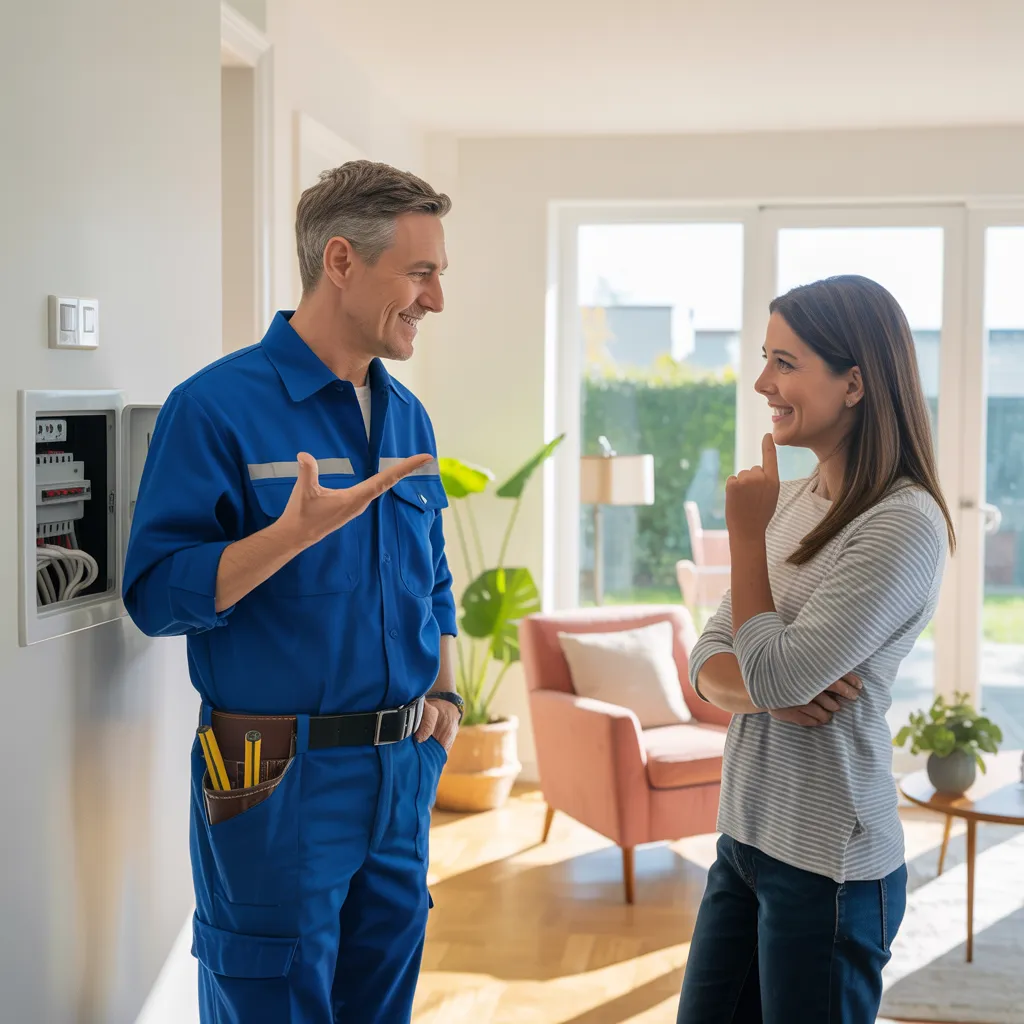
What Kind of Electrical Services Are You Looking For?
When identifying what electrical services are needed, one must assess the distinct requirements of their property or commercial space. Establishing the electrical demands is critical, as different properties may have different needs. For residential environments, services could include lighting installations, outlet upgrades, or circuit repairs. Commercial properties often require more advanced solutions, such as system installations for heavy machinery or specialized lighting for work areas.
Additionally, safety inspections are vital in both contexts to verify compliance with electrical codes. Homeowners may also seek energy efficiency audits to reduce utility costs. It is vital to assess whether renovations or expansions will demand increased electrical capacity. Understanding these aspects allows property owners to make informed decisions about the services essential. Eventually, a thorough evaluation of electrical needs sets the foundation for safe and efficient electrical systems, guaranteeing that all functionalities meet modern standards and expectations.
Look for Experienced Electricians
When picking an electrician, it is crucial to emphasize experience. Checking licensing credentials, examining years of experience, and reviewing the quality of past projects can substantially influence the decision-making process. These factors contribute to making sure that the selected professional can capably handle diverse electrical tasks.
Confirm Licensing Qualifications
To guarantee safety and compliance with local regulations, verifying the licensing credentials of an electrician is crucial. A licensed electrician has met the necessary education and training requirements established by local authorities, verifying they possess the knowledge to perform electrical work safely and effectively. Homeowners should request to see the electrician's license and confirm its validity through the appropriate licensing board or website. Furthermore, verifying insurance coverage is essential, as it protects both the homeowner and the electrician in case of accidents or damages during the project. Choosing an electrician with the proper licensing credentials not only guarantees adherence to safety standards but also provides peace of mind that the work will be completed to a professional standard.
Assess Years of Experience
Experience plays a essential role in the quality of electrical work, making it essential to seek electricians with several years in the industry. An experienced electrician not only possesses technical skills but also has a more comprehensive understanding of safety protocols and regulations. They are adept at troubleshooting common issues and can offer effective solutions, which is critical for ensuring that electrical installations and repairs are completed with safety and efficiency. When reviewing potential electricians, it is prudent to question their years of experience and the types of projects they have completed. A seasoned professional is likely to have dealt with a variety of situations and challenges, providing them with the knowledge to address any unforeseen complications during a project.
Examine Prior Project Workmanship
Examining the quality of prior projects is critical when choosing an electrician. Future clients should review the electrician's portfolio, which may include images, client testimonials, and detailed descriptions of completed work. This examination offers insight into the electrician's expertise, attention to detail, and ability to achieve deadlines. Additionally, seeking references from former clients can provide valuable information related to the electrician's professionalism and reliability. Interacting with prior clients can reveal how effectively the electrician handles issues and communicates throughout the project. By prioritizing experienced electricians with a proven track record of quality work, homeowners can guarantee their electrical projects are completed safely and efficiently, ultimately improving the overall functionality and safety of their homes.
Why a Licensed Electrician Should Always Be Your Choice
In terms of electrical work, working with a licensed electrician is vital for providing safety and compliance with local codes. Licensed electricians have completed thorough training and have obtained the needed knowledge to handle complicated electrical systems. Their expertise reduces the risk of hazards such as electrical fires, shocks, and equipment failures, which can occur from inadequate installation or repairs.
Moreover, bringing in a licensed professional frequently ensures that the work carried out satisfies local building codes, which can be crucial for future inspections and real estate transactions. In numerous jurisdictions, unlicensed work may result in fines or the need for costly rework, negating any savings achieved by selecting an unlicensed individual. Furthermore, licensed electricians commonly carry liability insurance, supplying an added layer of protection against potential damages. On the whole, investing in a licensed electrician is a sensible choice that improves safety and ensures high-quality workmanship.
Verify Electrician Customer Reviews and Recommendations
While selecting an electrician, it is crucial to evaluate their online ratings to assess customer satisfaction. Also, obtaining personal recommendations can deliver helpful insights into a service provider's reliability and workmanship. Ultimately, properly verifying credentials confirms that the chosen electrician meets industry standards and qualifications.
Analyze Internet Scores
How does one verify they are picking a trustworthy electrician? Analyzing online ratings is a vital component in this process. Sites including Google, Yelp, and Angie's List deliver valuable insights into an electrician's competence based on customer experiences. Excellent ratings usually reflect a credible professional, while repeated negative reviews can suggest potential issues. It is crucial to read both positive and negative feedback, focusing on the context and specifics of each review. Furthermore, consider the number of reviews; a greater quantity can imply reliability, whereas limited reviews may not provide a detailed picture. Essentially, analyzing online ratings arms homeowners with critical information to make knowledgeable decisions about electricians for their projects.
Get Personal Suggestions
What more effective method to locate a reliable electrician than by gathering personal recommendations from trusted contacts like family and friends? These trusted individuals can offer their firsthand experiences and provide insights into the caliber of workmanship, professionalism, and reliability of various electricians. Personal referrals regularly assist in discovering skilled professionals who may not have a strong online presence. It is valuable to ask specific questions about the electrician's ability to communicate, stick to deadlines, and handle unexpected issues. Furthermore, gathering multiple opinions can help create a clearer picture of an electrician's strengths and weaknesses. Finally, personal recommendations can serve as a valuable resource, guiding homeowners toward making informed decisions for their electrical needs.
Check Credentials Completely
Prior to employing an electrician, it is crucial to confirm their qualifications thoroughly. This process includes reviewing their licenses, insurance, and any relevant certifications. A licensed electrician has fulfilled the necessary training and regulatory standards, ensuring safety and compliance with local codes. Insurance protects both the homeowner and the electrician in case of incidents or harm.
Besides verifying official credentials, it is important to examine reviews and obtain references from past clients. Internet platforms and local community boards can provide insights into an electrician's reputation, work quality, and reliability. Speaking directly with previous clients can give more assurance of the electrician's professionalism. Comprehensive credential verification creates a foundation of trust and confidence in the selected professional.
Understanding Insurance and Warranty Benefits
When selecting an electrician, recognizing the subtleties of insurance and warranty coverage is essential for securing both the homeowner and the professional. Homeowners should verify that the electrician carries adequate liability insurance, which guards against any damages or accidents that may happen during the project. This coverage is vital for minimizing financial risks and offering peace of mind.
Furthermore, ensuring that the electrician has workers' compensation insurance is vital, as it protects homeowners from liability in the event of injuries sustained on the job.
Warranty coverage plays a vital role when making your decision. A reliable electrician should supply warranties for both the craftsmanship and components employed, providing assurance regarding the quality and durability of the work performed. Homeowners need to question the particulars of such warranty coverage, such as the length of coverage and what's included, to verify they maintain appropriate protection long-term.
Effective Communication and Professional Conduct: Essential Qualities to Identify
Strong communication abilities and professional conduct are crucial qualities to consider when selecting an electrician. An electrician who communicates well can precisely describe project parameters, deadlines, and any difficulties that may emerge. This transparency fosters trust and guarantees that homeowners feel informed and confident about the work being performed.
Professionalism includes not only promptness and trustworthiness but also the electrician's attitude and consideration for the homeowner's space. An electrician who conducts themselves professionally and follows industry standards shows a commitment to quality. Moreover, a professional electrician will carefully hear the homeowner's concerns, responding to them politely and carefully.
Such attributes are signs of a skilled tradesperson who values both their profession and their clients' happiness. Ultimately, selecting electricians who display excellent communication and professionalism will result in a better project experience and a successful outcome.
Comprehending Costs: Obtain Written Estimates
Comprehending costs is essential for homeowners in need of electrical services, as it aids in setting clear expectations and steer clear of unexpected costs. One of the most practical ways to accomplish this is by asking for written estimates from potential electricians. A written estimate offers a detailed breakdown of costs, including labor, materials, and any additional fees, enabling homeowners to compare services effectively.
When asking for estimates, it is essential to ensure that all electricians are proposing rates for the same read guide scope of work, which helps in making fair comparisons. Homeowners should also inquire about the validity period of the estimate, as prices can vary with time.
In addition, a professional electrician should be transparent about their pricing structure and happy to break down any ambiguous charges. By emphasizing written estimates, homeowners can make well-informed decisions and identify an electrician who matches their budget and project needs.
Common Questions
How Can I Verify an Electrician's Trustworthiness?
To assess whether an electrician is dependable, it's important to verify their credentials, examine customer feedback, confirm insurance, and request references. Dependability is commonly demonstrated through their communication and eagerness to handle questions with transparency.
What Happens if I'm Not Satisfied With the Work?
If you experience dissatisfaction, one should first communicate concerns directly with the electrician, allowing for resolution. Should the issue remain unresolved, going over the contract terms, seeking mediation, or communicating with pertinent licensing boards could provide further help in dealing with the concern.
Is It Possible to Hire an Electrician for Small Jobs?
You can hire an electrician for small jobs. Several professionals readily accept smaller tasks, maintaining safety standards and regulatory compliance. Homeowners should talk through specifics and secure pricing before moving forward with the job.
How Long Do Electrical Projects Generally Take to Complete?
Normally, electrical tasks can take anywhere from a couple of hours to a few days, depending on how complex and extensive they are. Simple projects like replacing outlets may only demand an hour, while larger jobs require more time and coordination.
What Safety Precautions Should Electricians Maintain During Work?
Electricians should always wear appropriate personal protective equipment, ensure tools are insulated, check that power is off before starting, copyright a clean workspace, and follow local codes and regulations to stop accidents and guarantee safety.